Articles

Delta Vista Optometry Blog

Delta Vista Optometry Blog is your trusted source for informative articles, expert insights, and valuable tips related to eye health and vision care. Explore a wealth of knowledge on topics ranging from eye conditions, vision correction options, to maintaining optimal eye wellness. Stay informed and prioritize your eye health with our engaging and educational blog content.

Colored Contacts

Colored Contacts

Colored contacts have become increasingly popular over the years as a way to enhance your look and experiment with different eye colors. Whether you want to change your eye color for a special occasion or simply for everyday wear, colored contacts offer a fun and versatile option.

Different Types of Colored Contacts

When it comes to colored contacts, there are various types to choose from, depending on your preferences and needs. The three main categories are cosmetic, enhancement, and opaque lenses.
 

Cosmetic lenses are designed to completely change the color of your eyes. These lenses come in a wide range of shades, from natural hues such as blue, green, and brown, to more vibrant colors like purple, gray, and even red. Cosmetic lenses can create a dramatic transformation and give you the eye color you desire.
 

Enhancement lenses, on the other hand, are designed to enhance your natural eye color rather than change it completely. They add depth and intensity to your eyes, making them appear brighter and more vibrant. Enhancement lenses are ideal if you want a subtle change that enhances your natural beauty.
 

Opaque lenses are specifically designed to cover dark-colored eyes. They are ideal for individuals with naturally dark eyes who want to achieve a lighter or more vibrant eye color. Opaque lenses are often used in theatrical or costume applications as they can create a striking and captivating look.

Read more
Eyelid Hygiene

Eyelid Hygiene

Eyelid hygiene is an essential aspect of maintaining optimal eye health. Your eyes are sensitive organs that require proper care and attention. Neglecting eyelid hygiene can lead to various problems, including dry eye.
 

Recognizing the Symptoms of Eyelid Problems

It is crucial to recognize the symptoms of eyelid problems to seek timely treatment and prevent further complications. Common symptoms of eyelid issues include redness, swelling, itching, irritation, crusting or scaling of the eyelids, sensitivity to light, and a sensation of something in the eye.
 

The Importance of Eyelid Hygiene in Maintaining Eye Health

Maintaining proper eyelid hygiene is essential for overall eye health. Regularly cleaning your eyelids helps remove debris, bacteria, and excess oil, preventing infections and inflammation. It also promotes the proper functioning of the meibomian glands, ensuring an adequate supply of tears to keep your eyes moisturized. By incorporating eyelid hygiene into your daily routine, you can significantly reduce the risk of developing dry eye and other eye-related problems.

Read more
Ray-Ban Meta Glasses

Ray-Ban Meta Glasses

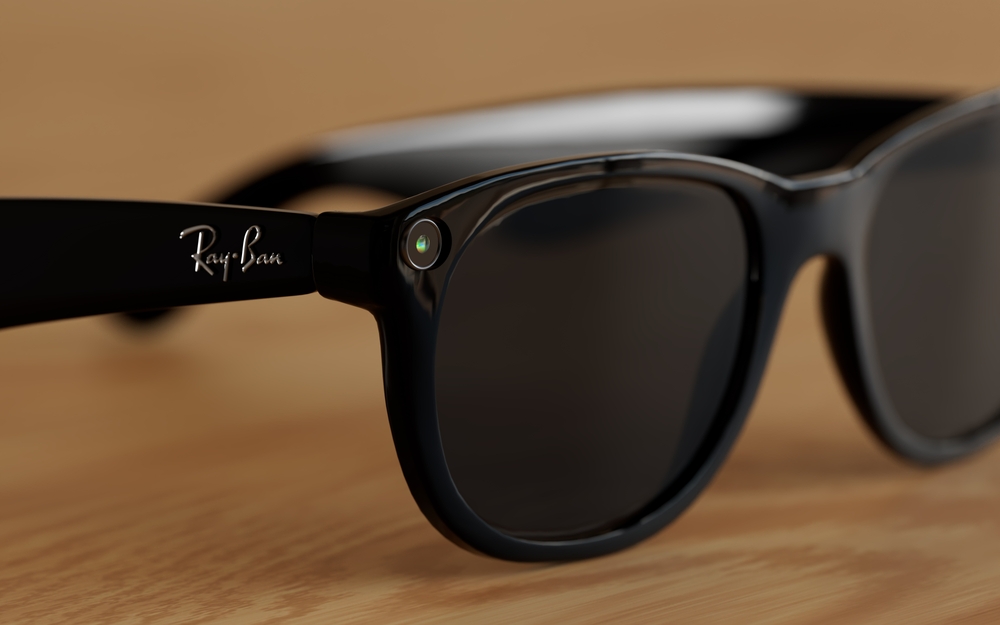
Ray-Ban has long been recognized as a leader in timeless style, but now the brand is taking a bold step into the future. In collaboration with Meta, Ray-Ban has introduced a groundbreaking innovation - Ray-Ban Meta Glasses. These glasses are a fusion of iconic design and next-generation technology that allows you to capture, share, and stay connected like never before.
 

What Are Ray-Ban Meta Glasses?

Ray-Ban Meta Glasses go beyond vision correction or sun protection - they seamlessly integrate a camera, speakers, and voice-activated AI assistance, allowing users to capture, share, and interact hands-free. With their classic Ray-Ban frames, these glasses look just like traditional eyewear, but they’re packed with cutting-edge features hidden in plain sight.
 

Key Features and Technology

  • Built-in Cameras: Capture photos and videos instantly with a simple voice command or tap on the frame. The dual 12MP cameras allow for high-quality media with depth and detail.

  • Open-Ear Audio: Discreet speakers positioned near your ears provide clear sound without blocking ambient noise, letting you listen to music, take calls, or hear notifications seamlessly.

  • Meta AI Integration: Access Meta’s AI assistant through voice commands. Ask questions, control your device, or get updates - all without taking your phone out.

  • Live Streaming and Sharing: Stream directly to social media platforms like Instagram and Facebook in real time, making it easy to share your perspective with your audience.

  • Touch and Voice Controls: Intuitive touch-sensitive temples and responsive voice commands give you full control over your smart features.

  • Transitions® Lenses Option: Enjoy lenses that automatically adapt to changing light conditions for optimal comfort both indoors and outdoors.

Read more
Strabismus

Strabismus

Strabismus is a relatively common condition, affecting about 2-4% of the population worldwide. It is one of the most frequent eye disorders seen in children, though it can also develop in adults due to conditions like stroke or trauma. In the United States alone, it is estimated that around 12 million people are affected by strabismus, with varying degrees of severity. Early diagnosis and treatment are essential, as untreated strabismus in children can significantly impair visual development.
 

What is Strabismus?

Strabismus, commonly referred to as crossed eyes, is a condition in which the eyes do not properly align with each other when looking at an object. One eye may turn in, out, up, or down, while the other eye focuses correctly. This misalignment can be constant or intermittent and may affect one or both eyes. Strabismus occurs when the muscles controlling eye movement do not work together correctly, leading to difficulty in focusing both eyes on a single point. This condition can lead to visual issues such as double vision and, in some cases, can result in amblyopia (lazy eye) if left untreated.
 

How Does Strabismus Develop?

Strabismus develops when there is a disruption in the coordination of the muscles that control eye movement, leading to a misalignment of the eyes. This disruption can result from various causes, including genetic factors, neuromuscular conditions, or problems with the nerves that transmit signals to the eye muscles. In some cases, it may be present at birth, while in others, it can develop later in childhood or adulthood due to conditions such as cerebral palsy, Down syndrome, or even trauma to the eye or brain.
 

Signs and Symptoms of Strabismus

The primary symptom of strabismus is the visible misalignment of the eyes. However, there are other signs and symptoms that may indicate the presence of this condition:

  • Blurred or double vision

  • Headaches or eye strain

  • Difficulty with depth perception and spatial awareness

  • Reduced visual acuity in one eye

  • Frequent eye rubbing or squinting

  • Tilting or turning the head to compensate for the misalignment

Read more
InfantSEE

InfantSEE

InfantSEE

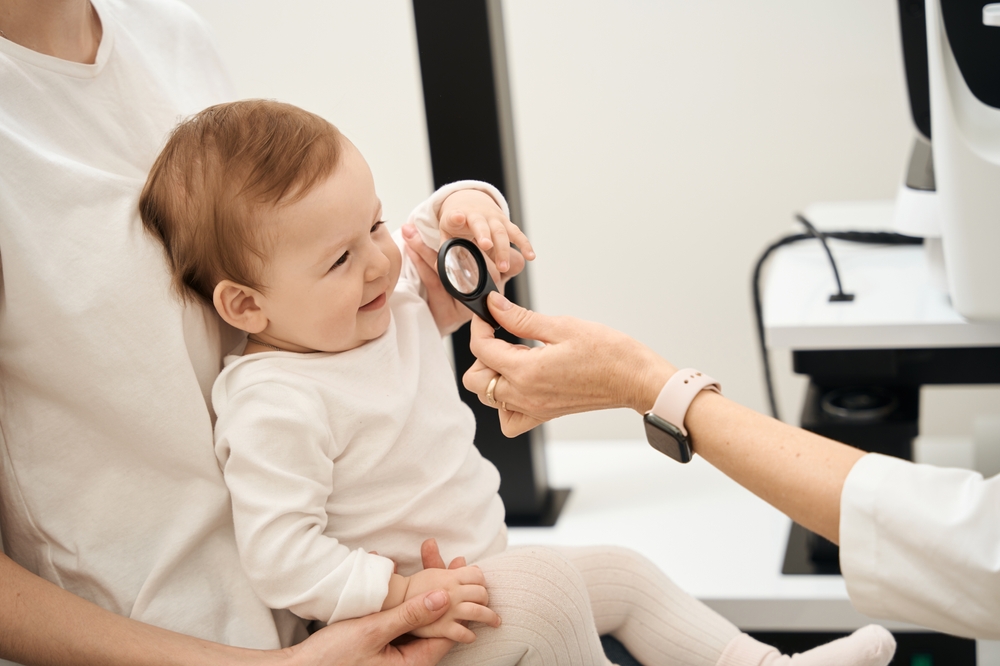
Your baby’s vision develops quickly during the first year of life and plays an important role in how they learn, move, and interact with the world. Even when a baby’s eyes appear healthy, certain vision or eye health concerns may not be obvious without a comprehensive infant eye assessment. InfantSEE is designed to help identify potential concerns early, giving parents peace of mind and helping children start life with the clearest, healthiest vision possible.


What Is InfantSEE?

InfantSEE is a program that helps parents access an early, comprehensive eye and vision assessment for babies between 6 and 12 months of age. It is designed to support healthy visual development by giving us an opportunity to check for early signs of vision or eye health concerns during a critical stage of growth.

The assessment is provided at no cost, making early eye care more accessible for families who want to be proactive about their baby’s vision.


The Importance of Early Vision Care

Many parents are surprised to learn that babies can have vision or eye health issues even before they are old enough to talk or read an eye chart. An infant may still track faces, reach for toys, or appear visually engaged while having an underlying concern that needs attention.

Early eye care can help detect signs of:

  • Eye alignment problems, such as crossed or turned eyes

  • Significant nearsightedness, farsightedness, or astigmatism

  • Eye movement or focusing concerns

  • Amblyopia risk factors, often called lazy eye

  • Signs of eye health conditions that may need monitoring or treatment


Finding these concerns early can make treatment more effective and may help support long-term visual development.
 

Read more
Corneal Refractive Therapy

Corneal Refractive Therapy

Corneal refractive therapy, also known as CRT, is a simple, painless treatment for refractive eye errors like myopia and has two core benefits. First, it can be used to help patients see clearly during the day without using glasses or contact lenses, giving them the freedom and flexibility that they need to live life to the fullest. Second, CRT has been shown to help slow the progression of myopia, keeping prescriptions under control and potentially reducing the likelihood of patients developing serious eye health problems associated with high myopia in the future. 

Here’s everything that you need to know about corneal refractive therapy and what it means for you. 
 

Understanding refractive eye problems

Refractive eye problems like nearsightedness, farsightedness and astigmatism are extremely common, with nearsightedness – also known as myopia – being the most common of all. Patients with myopia can see nearby objects clearly, but those further away become progressively more blurred. Refractive eye errors occur when the shape of the clear dome covering the front part of the eye, called the cornea, impair the light-bending and focusing process in your eyes. This leads to the light ending up in the wrong place inside the eye, and the message that is sent to our brain from our eyes is muddled, causing blurred vision. 
 

What is corneal refractive therapy?

Corneal refractive therapy was initially developed as a treatment to correct and slow the progression of nearsightedness. However, it has also been found to be effective at controlling other refractive errors, including farsightedness, astigmatism and an age-related refractive condition called presbyopia.

CRT is a non-invasive, painless and straightforward method of correcting patient vision so that they don’t need to wear contacts or glasses, and they don’t need laser vision correction surgery to see clearly. CRT uses special contact lenses that are worn overnight and apply light pressure to the cornea in order to reshape it so that light is refracted correctly, and the image sent from the eyes to the brain is clear. The cornea is able to retain this new shape even after the contact lenses are removed the next morning, meaning that you can continue to see clearly for several hours. The more consistently you wear your CRT lenses overnight, the longer your eyes will learn to retain their new shape and eventually, patients can enjoy up to 48 hours of clear vision without using prescription lenses. However, the effects aren’t permanent so if you stop wearing the lenses, your vision will gradually return back to normal over the course of a few days. 
 

Slowing the progression of myopia with corneal refractive therapy

Another key benefit of CRT is that it can actually help to slow the progression of myopia. Most people who are nearsighted find that their eyesight gets progressively worse as they get older. This deterioration may not be rapid, but it can end in patients requiring high prescriptions. Studies have found that patients who have high myopia are more likely to develop serious eye problems in the future, including glaucoma, macular degeneration, cataracts and a detached retina. Regular use of your corneal refractive therapy lenses could help keep your prescription stable and lower your risk of developing these problems. 

Read more
Dry Eye Advanced Diagnostic Testing

Dry Eye Advanced Diagnostic Testing

Dry eye is a common ocular condition that occurs when the eyes do not produce enough tears or when the tears evaporate too quickly. This can lead to discomfort, redness, blurred vision, and even damage to the surface of the eyes. Understanding the causes and symptoms of dry eye is crucial provide early detection and effective treatment.
 

The Importance of Dry Eye Advanced Diagnostic Testing

Early detection of dry eye is crucial for preventing further progression of the condition and improving patient outcomes. Without proper diagnosis and treatment, dry eye can cause significant discomfort and affect daily activities. Additionally, chronic dry eye can lead to corneal ulcers, infections, and even vision loss. By accurately identifying and addressing dry eye in its early stages, optometrists can provide timely interventions and prevent complications.
 

TearLab

One of the advanced diagnostic tools available for dry eye is TearLab. TearLab is a non-invasive test that measures the osmolarity of tears, which is an indicator of tear film stability. This test provides valuable information about the quality and quantity of tears, allowing healthcare professionals to accurately diagnose and monitor dry eye. By analyzing the osmolarity of tears, TearLab helps identify the severity of dry eye and guides treatment decisions. It is a quick and painless procedure that can be performed in a clinical setting.
 

InflammaDry

Inflammation plays a significant role in dry eye, and identifying the presence of inflammation is crucial for effective treatment. InflammaDry is a diagnostic tool that detects elevated levels of matrix metalloproteinase 9 (MMP-9), an inflammatory marker, in tears. By measuring MMP-9, InflammaDry helps optometrists differentiate between inflammatory and non-inflammatory dry eye. This information is essential for tailoring treatment plans and determining the most appropriate therapies for each patient.

Read more
Lens Technology

Lens Technology

Thanks to the advancement of lens technology, glasses lenses are no longer a single, one size fits all solution. There are a variety of different lens types that can be used in glasses, giving patients greater flexibility and control over their vision than ever before.

Single Vision Lenses

Also known as monovision lenses, these lenses are designed to correct the wearer’s vision at just one distance, and have a single prescription covering the entire surface of the lens. They are most often recommended for people who are either nearsighted (myopia) or farsighted (hyperopia) and who need glasses for a specific activity, such as driving or reading.

Progressive Lenses

Progressive lenses are multifocal lenses that can correct a patient’s vision at different working distances, ranging from far distance to reading distance. However, rather than designating different areas on the lenses for different distances with visible lines separating them, progressive lenses have a gradual change so that the wearer can smoothly transition from one lens power to another.

Bifocal and Trifocal Lenses

As you may have guessed from the name, bifocal and trifocal lenses have either two or three lens powers depending on which type you choose. Bifocal lenses support distance vision in the top half of the lens, and near vision in the lower half. Trifocal lenses support distance vision in the top third of the lens, intermediate vision in the middle segment and near vision in the bottom third. Whichever variety you choose, you will see visible lines separating each segment.

Bifocal and trifocal lenses are recommended for patients who are near or farsighted, and those who develop presbyopia, which is the natural hardening of the eye lens, that occurs as we get older. Presbyopia makes it harder for the lens of the eye to adapt to focus at different distances.

Multifocal Lenses

Multifocal lenses are the alternative name given to bifocal, trifocal and progressive lenses.

Read more
Surgical Co-Management

Surgical Co-Management

In the realm of eye care, surgical co-management has emerged as a collaborative approach that aims to provide patients with comprehensive and seamless treatment. This concept involves the joint efforts of optometrists and ophthalmologists, each bringing their unique expertise to the table. By working together, these eye care professionals strive to enhance patient outcomes and deliver exceptional care.
 

The Role of Optometrist and Ophthalmologist in Surgical Co-Management

Surgical co-management is built upon the unique skill sets and areas of expertise of optometrists and ophthalmologists. By understanding their respective roles, you can appreciate the synergy that this collaborative approach fosters.

Optometrists are primary eye care professionals who specialize in the examination, diagnosis, and non-surgical treatment of vision disorders. Their responsibilities in surgical co-management include:

  • Performing comprehensive eye examinations and evaluations

  • Monitoring and managing pre-existing eye conditions

  • Providing pre-operative and post-operative care

  • Educating patients on surgical procedures and aftercare

  • Collaborating with ophthalmologists to ensure continuity of care
     

Ophthalmologists are medical doctors who specialize in the diagnosis, treatment, and surgical management of eye diseases and disorders. Their role in surgical co-management encompasses:

  • Evaluating patients' candidacy for surgical interventions

  • Performing complex surgical procedures

  • Providing specialized medical and surgical care

  • Collaborating with optometrists to ensure seamless patient care

  • Monitoring and managing post-operative complications

  • By combining the expertise of optometrists and ophthalmologists, surgical co-management ensures that patients receive comprehensive and coordinated care throughout their treatment journey.
     

How Surgical Co-Management Works

Surgical co-management is a well-orchestrated process that involves several key steps. Understanding how it works can help you navigate this collaborative approach with confidence.

  • Initial Evaluation: The process typically begins with an optometrist conducting a comprehensive eye examination. During this evaluation, the optometrist assesses the patient's visual needs, identifies any potential issues, and determines if a surgical intervention is necessary.

  • Referral and Consultation: If surgery is recommended, the optometrist refers the patient to an ophthalmologist for further evaluation and consultation. This step ensures that the patient receives specialized medical advice and a thorough assessment of their suitability for the proposed surgical procedure.

  • Pre-operative Care: The optometrist plays a crucial role in providing pre-operative care, which may include managing any existing eye conditions, ensuring the patient understands the surgical process, and addressing any concerns or questions they may have.

  • Surgical Procedure: The ophthalmologist performs the necessary surgical intervention, leveraging their specialized training and expertise in surgical techniques.

  • Post-operative Care: After the surgery, the patient's care transitions back to the optometrist, who closely monitors the recovery process and provides post-operative care and management. This may involve follow-up appointments, monitoring for any complications, and ensuring the patient adheres to the prescribed treatment plan.

  • Ongoing Collaboration: Throughout the entire process, the optometrist and ophthalmologist maintain open communication and collaborate closely. This ensures that the patient's care is seamless, and any concerns or issues are promptly addressed by the appropriate healthcare professional.

Read more
Tyrvaya for Dry Eye Relief

Tyrvaya for Dry Eye Relief

Dry eye is a common condition that occurs when your eyes do not produce enough tears or when the tears evaporate too quickly. This can result in discomfort, irritation, and a gritty sensation in the eyes. Understanding the causes and symptoms of dry eye is crucial for finding effective treatment options. Tyrvaya offers a breakthrough solution for dry eye relief.
 

What Causes Dry Eye?

There are several factors that can contribute to the development of dry eye. The meibomian glands are responsible for producing the oily component of the tear film, which helps prevent evaporation of tears and maintains a smooth ocular surface. Meibomian gland dysfunction occurs when these glands become blocked, leading to a decrease in the quantity and quality of the meibum. This can result in evaporative dry eye, discomfort, and inflammation of the eyelid margins.

Another common causes is age. As we get older, our tear production tends to decrease, making us more prone to dryness. Hormonal changes, such as those that occur during menopause, can also affect tear production and lead to dry eye.

Environmental factors can play a role as well. Dry or windy climates, air conditioning, and excessive screen time can all contribute to dry eye. Additionally, certain medications, such as antihistamines and antidepressants, can cause dryness as a side effect.

Other underlying health conditions, such as autoimmune diseases like Sjogren's syndrome or rheumatoid arthritis, can also contribute to dry eye. In these cases, the body's immune system mistakenly attacks the tear glands, leading to reduced tear production.

Read more
 
Helpful Articles
all eye care services
All Eye Care Services

Find personalized eye care excellence with our comprehensive services. From eye exams to advanced diagnostics, trust us for all your vision needs.

contact us
Keep In Touch

For non-urgent questions or to learn more about our services, contact us today!